
21st Century Learning Design
Learning in the 21st century is no longer just about obtaining information. To equip our students for their unknown future, we believe skills to think critically, to communicate, to collaborate, to create, and to question are way more important than cramming information into our students’ heads.
Therefore, in our 12-year education, we help students build habits in junior school; we focus on skills training in middle school, hoping students can pursue knowledge effectively when they enter high school.
We hope that by doing these, students can become independent and proactive learners.
Pedagogy
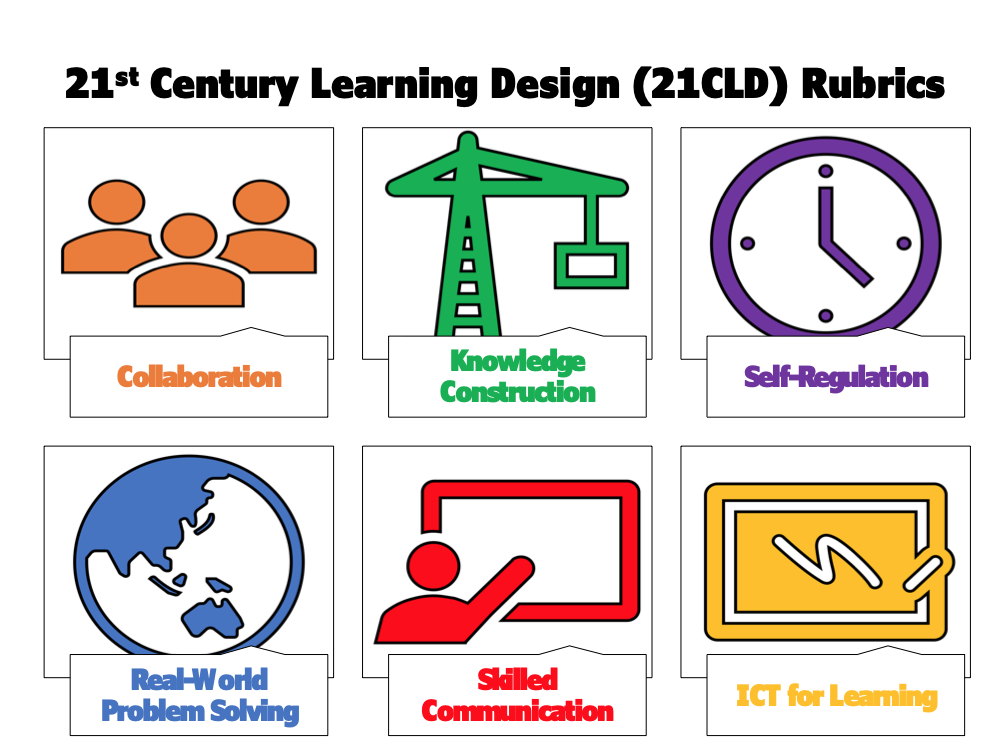
The 21CLD curriculum is based on rubrics, which have been developed and tested internationally. These rubrics help educators identify and understand the opportunities that learning activities give students to build 21st century skills.
The 21CLD curriculum describes six rubrics of 21st century learning, each of which represents an important skill for students to develop. These are:
- Collaboration
- Knowledge Construction
- Self-Regulation
- Real-World Problem Solving
- Skilled Communication
- ICT for Learning
They focus on redesigning learning to develop 21st century skills and deepen understanding of 21CLD curricular goals, and facilitating educators to use new learning designs within their own teaching and to analyse the impact on student learning.
Hardware and Software
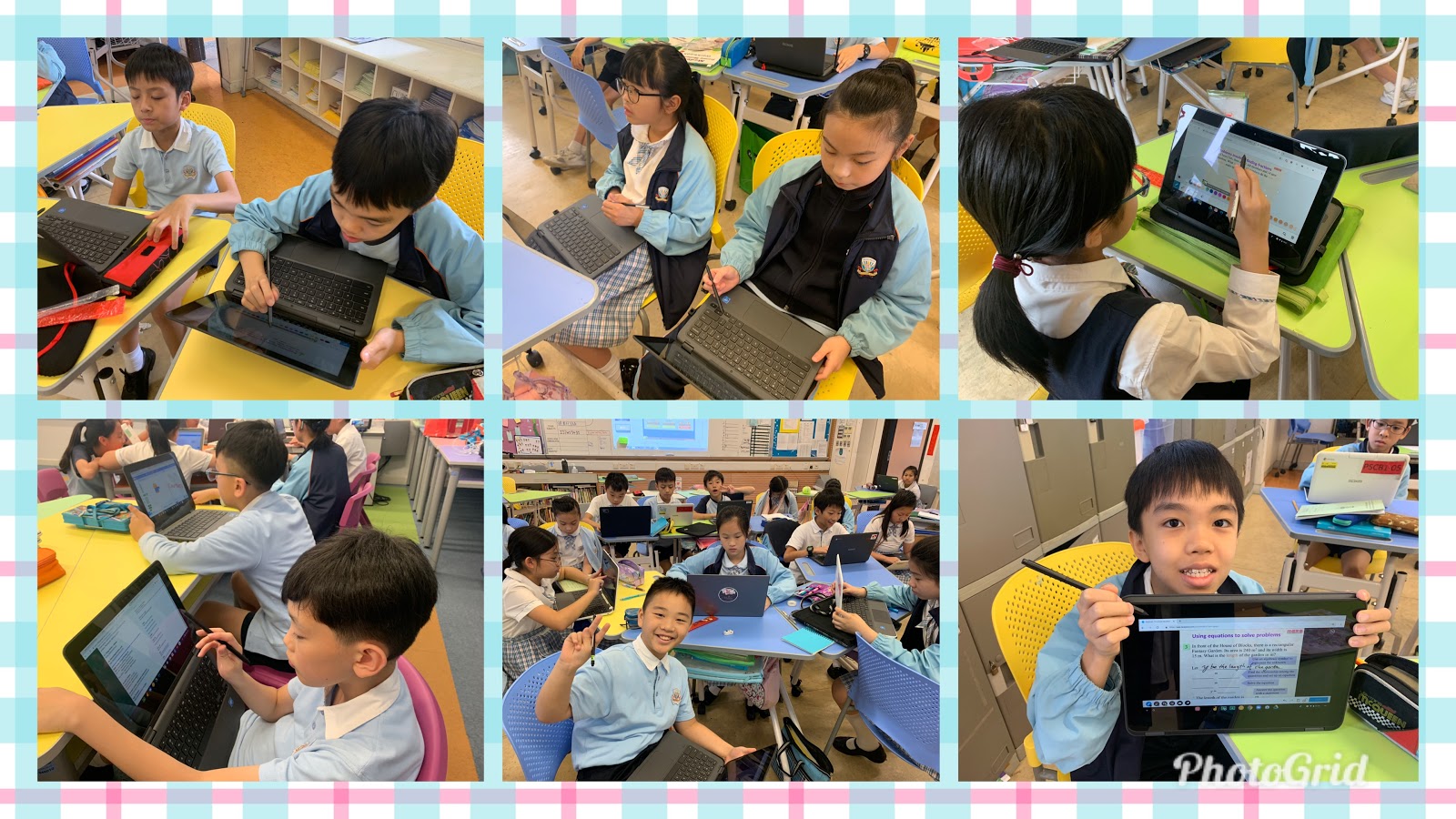
A-School is equipped with excellent hardware and software, which aim at facilitating 21st Century Learning for teachers and students.
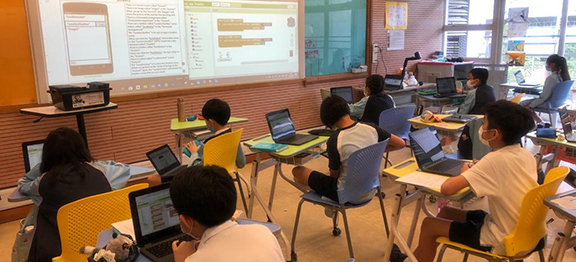
Our Grade 5 to Grade 8 classrooms have been converted into 21st Century Classrooms which are equipped with an interactive ultra-wide projector / Smart TV for e-learning, and movable tables and chairs for flexible lesson arrangement.
A-School has been awarded the title “Google Reference School” in 2020 that recognizes our effort in using Google for education tools. The title proves we use technology in classrooms to impact the students’ learning positively. A-School is the first through-train Google Reference School in the Asia Pacific Region.
Digital Citizenship
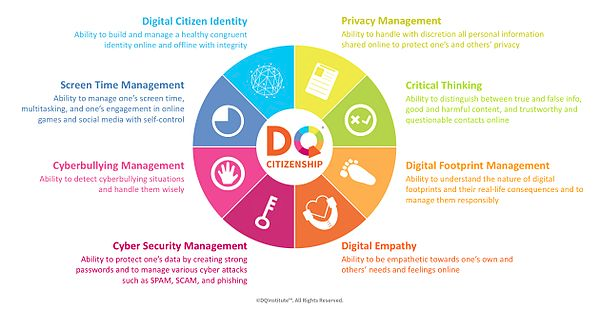
Digital citizenship is about confidence and positive engagement with digital technologies. It is important to have the knowledge and skills to effectively apply digital technologies in order to create and use digital content in a correct way. Our PS STEAM and SS ICL curriculum develops students’ understanding of digital and information literacy, Internet safety, privacy, cyberbullying, netiquette, copyright and digital footprint.
A-School is delighted to announce that we have received recognition and certification as a Common Sense School. This honour is provided by Common Sense Education which is a US based leading non-profit organization dedicated to helping students and teachers thrive in the world of media and technology. The certification recognizes our effort in engaging the school community consisting of students, teachers and parents in implementing a digital citizenship curriculum.
A-School has demonstrated our commitment towards a whole-school approach in preparing our students for exploring the immense potential of the digital world and at the same time taking precaution against the perils that exist in the virtual world through digital citizenship education.
Professional Development
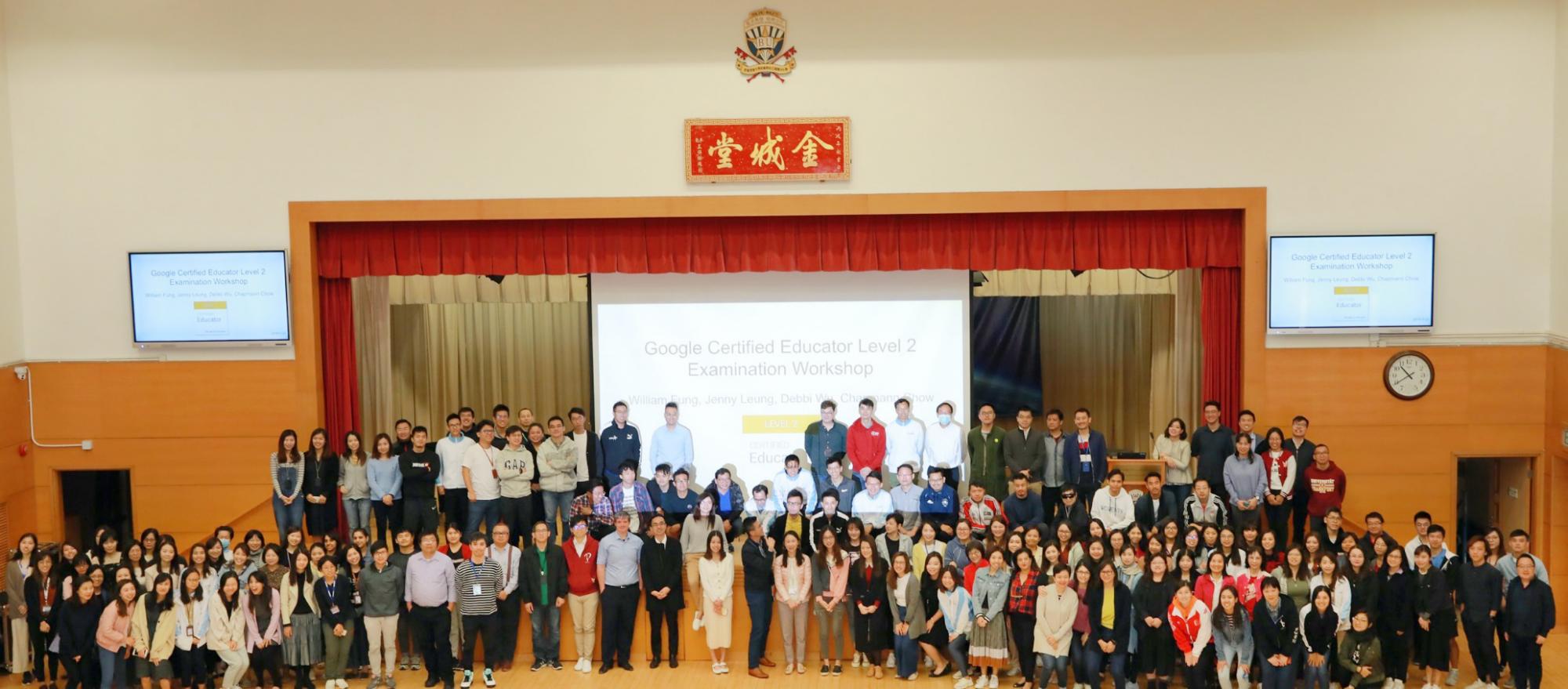
Apart from the 1:1 Chromebook BYOD Programme, we have 100% Google Certified Educators among our teaching staff aiming to provide the best teaching solutions to prepare our students to be 21st century learners.
Regular seminars and workshops will be held for teachers to receive up-to-date teaching pedagogies and learning tools in order to provide state-of-the-art education.
Immersive Learning Experiences in CAVE
The school actively optimizes the learning environment to enhance students’ learning effectiveness. One of its proudest facilities is InnoCAVE, located within the Solomon Science and Technology Education Centre. This classroom-sized immersive learning space, developed in collaboration with the University of Hong Kong, was previously only available in tertiary institutions. To provide students with a unique learning experience, A-School made an exception and built it within a primary and secondary school campus.


Within InnoCAVE, students can explore the world, traverse time and space, and break through the limitations of text and images. Here are some significant use cases of the CAVE:
|
Language Subjects |
Inspiring writing ideas through immersive experiences |
|
Chinese Language |
Travelling back in time to understand poets’ feelings |
|
Math |
Experiencing the concept of “distance” |
|
Science |
Macro World: The Solar System, Tiangong Space Station Micro World: Inside our Body |
|
Liberal Arts |
Visiting Chinese historical sites and the community around us |
|
Music |
Experiencing the atmosphere of a music piece |
|
Visual Art |
Visiting the virtual museum and famous art pieces like the Dunhuang |
.jpg)


Immersive Learning Experiences with VR Headsets
To extend innovative approaches that enrich classroom learning through VR technology, we introduce VR headsets in classrooms as an alternative solution for teachers. In contrast to a group experience in a CAVE, a VR headset provides an individual experience but offers a deeper level of immersion.
A wide range of ready-made content is available on the market. We have subscribed to resources for several subjects, including:
• IS: Earth Science, Micro World, Dinosaur World, Human Body, Aerospace Technology
• LA: Idiom stories, AI-aided historical figures for higher-order thinking training


Students contribute to the VR content
We actively engage students in the creation of VR content. All students in Grades 5 and 6 learn to produce interactive VR/AR experiences using Delightex, allowing them to explore virtual worlds with educational purposes on iPads and VR headsets. Additionally, through our OLE program, students have the opportunity to design large-scale VR environments, enabling users to “walk” through immersive virtual spaces.
Several project-based learning (PBL) groups have developed 3DVR games to enhance their presentations, and the 3D scenes they created received high acclaim from the public, resulting in their selection for broader showcasing. Furthermore, three Grade 6 students developed a VR training system aimed at supporting students with special educational needs (SEN). After winning the Great Bay Area session of the "Do Your:bit" STEAM competition, they refined their system and achieved 3rd runner-up in the Hong Kong ICT Award Student Innovation Award.


.jpg)